Should You Paint Lights or Darks First?
Learn the important order of values in painting.
 Original painting by Cheryl Poulin
One of the questions I hear from new and experienced decorative painters is, "Should you paint lights or darks first?" And what a great question that is!
The short answer is we paint the darks first. And that's because shading defines the form, while highlighting brings it to life.
In the painting above, the first thing I did was the background. Then, through the use of shading, I created the shape of the stones. And once I was happy with that, I added highlights to define the shapes further.


Shadows Tell the Story
Imagine an orange. Without any light or shadow, it's simply an orange-colored flat circle. But as soon as light shines on it, shadows appear, and suddenly your brain recognizes it as a round object.
In decorative painting, shading does the same thing. The shadows establish where one object tucks behind or on top of another, where petals overlap, where leaves curl, and where depth begins. They create the structure that gives your painting dimension and an anchor of sorts.
Highlights Need Something to Contrast Against
Highlights are exciting because they catch the eye. But a highlight only looks bright when there's a darker area nearby. And that's really important to remember.
When we've already added our shading, the highlights have something to play against. They sparkle because the shadows are already doing their job. They've given us some definition to work with.
It's Easier to Build Light Than to Take It Away
Decorative painting is all about working in layers.
When we begin with our basecoat we already have our mid-tone. Adding shading first gently pushes parts of the object deeper into shadow while leaving the rest untouched.
Then we can gradually add highlights exactly where the light would naturally fall.
If we highlighted first and then tried to add shading afterward, we'd often find ourselves painting over those bright areas or dulling them down. It just doesn't work and we end up doing extra work just to get back where we started.
Working from dark to light simply makes the process more efficient.
Nature Shows Us the Way
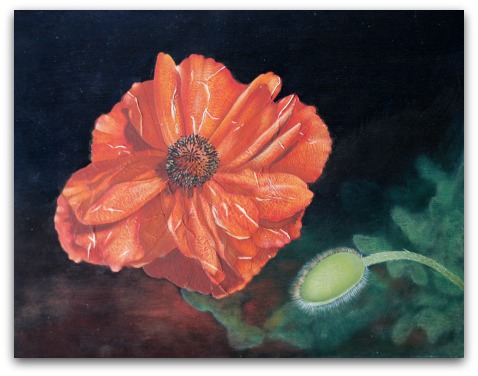 Original painting by Cheryl Poulin
Take a walk outside on a sunny day. As you walk you see a lovely red poppy. Before you notice the bright spots on the flower, you'll probably notice the shadows first. Those shadows tell you which petals overlap, which leaves curl under, and where one object sits in front of another.
The highlights are the finishing touch. They add life and freshness and further define the shape.
Trust the Process
If you've ever looked at your painting after adding the shading and thought, "Oh dear...this is not looking very good." don't worry. You're not alone!
The dark stage of a painting often looks much less cheerful than you imagined. Don't despair, the highlights are coming. They soften the shadows, restore the light, and create the beautiful contrast that gives decorative painting its characteristic depth and charm.
So the next time you reach for your floating color, remember this simple idea:
Shadows build the form.
Highlights reveal the beauty.
And together, they transform a flat painted shape into something that feels alive.
Let's go back to the HOME page.

Cheryl Poulin, CPC, has been helping decorative painters of all levels grow their acrylic painting skills since 1993. She has taught thousands of students, published 50+ instructional packets and videos, and helped revive interest in the decorative art form with a beginner painting program using her step-by-step Earmark Studio Method.
Cheryl’s work has appeared in publications such as: The Decorative Painter, PaintWorks, and Tole World. Cheryl provides your-decorative-painting-resource.com as a free resource. She’s happiest when she sees her students succeed. Cheryl relaxes with a brush in hand, painting, doodling, and creating.
Grow Your Painting Skills With Me
You Can Paint These Trees and More

Get Your Video Course Now
Introductory Price
Save 30% plus
a Money Back Guarantee



You Can Paint These Trees and More
Get Your Video Course Now
Introductory Price
Save 30% plus
a Money Back Guarantee
Recent Articles


-
CBP0048 - The Promise of Autumn Pattern Packet
Sep 28, 26 04:04 PM
 Enjoy this quick and fun project featuring background creation with alcohol
 -
How to Paint Galvanized Metal with Acrylics: Complete Prep Guide
Sep 28, 26 01:25 PM
 Stop acrylic paint peeling off galvanized steel! 5-step prep routine decorative painters use to make art stick and how to paint galvanized metal with acrylics.
 -
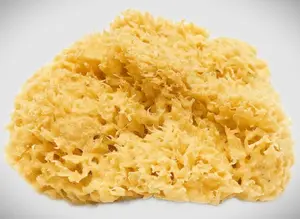
Learn sponge painting techniques to create textured backgrounds.s.
Sep 07, 26 03:21 PM
 Discover positive and negative sponge painting techniques. Use different kinds of sponges for mottling, marbling, and learn easy fixes when you make a mistake.
 -
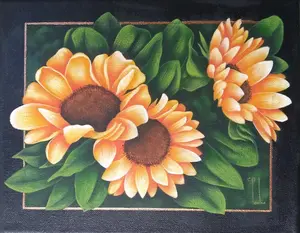
CBP0047 - Sunflower Folly Pattern Packet
Aug 30, 26 02:02 PM
 Increase your painting skills. Enjoy learning the wet dry brush technique in my CBP0047 - Sunflower Folly pattern packet.
 -
A decorative painting pattern guide helps you choose what to buy.
Aug 30, 26 09:13 AM
 Use Cheryl Poulin’s ultimate decorative painting pattern guide to discover how pattern packets work for beginners vs. advanced painters! Choose wisely.
 -
Learn how to use a liner brush for swirls and smooth curlicues.
Aug 22, 26 02:52 PM
 Ever painted a curlicue that suddenly turned into a skinny worm with a kinked body? I'll show you how to use a liner brush for swirls you'll be proud of.
 -
Ugly stage of a painting, it happens. Don't shelve your project yet.
Jul 19, 26 08:10 AM
It's a frustrating thing but it's to be expected. The ugly stage of a painting simply means you're about halfway through your project. Take heart and keep going!



Site Search
| site search by freefind | advanced |


You Can Paint These Trees and More
Get Your Video Course Now
Introductory Price
Save 30% plus
a Money Back Guarantee